Loose Joints and Soft TPE: Two Separate Changes in the December 2024 Notice
Movement limits and material firmness need separate entries in a configuration, even when they share one announcement.

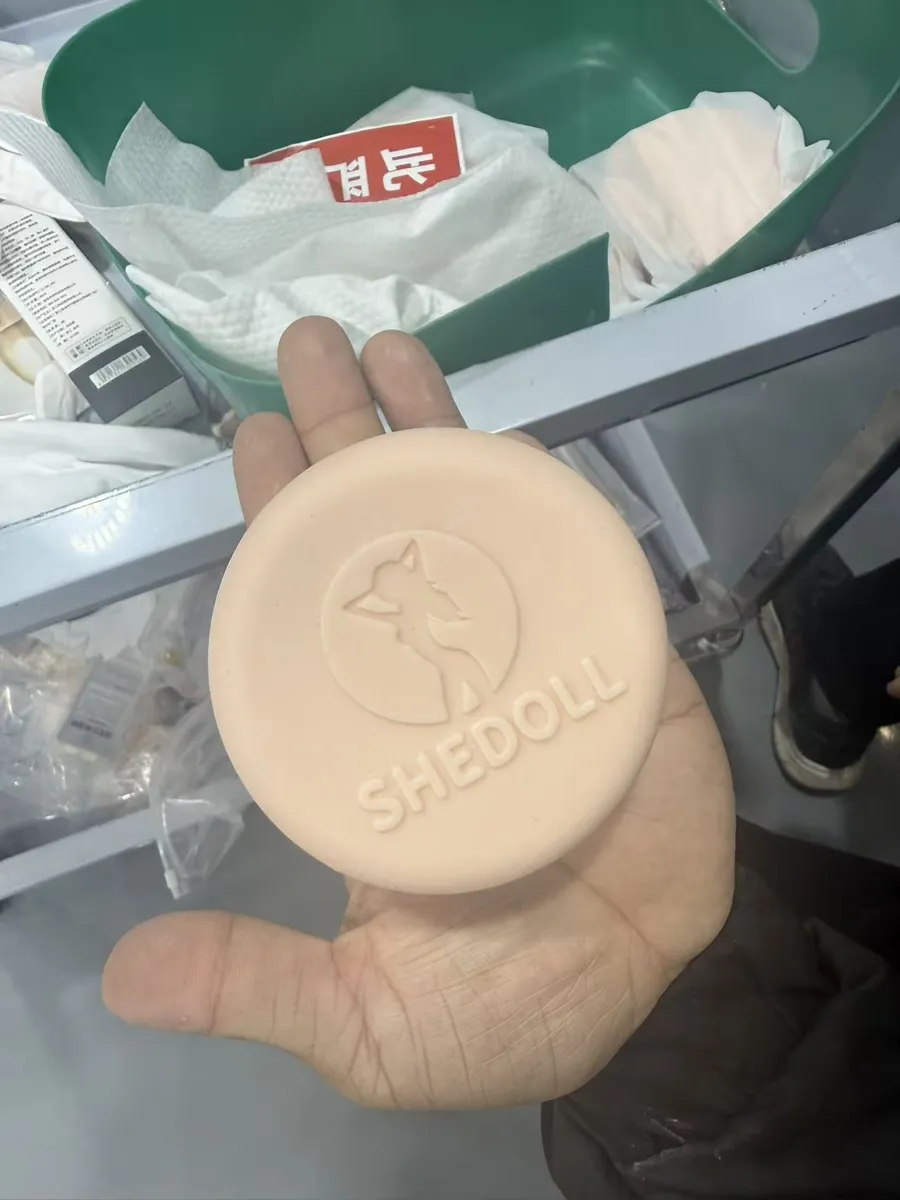
SheDoll’s December 21, 2024 notice combined two updates. It described revised limits in loose knee, wrist and ankle joints after feedback about unnatural movement, and it introduced a CR ultra-soft TPE option. The post used demonstrations and qualitative descriptions rather than a published measurement protocol. It did not establish that every material option or stock item contained the same joint revision.
Do not let one option stand in for another
Softness describes a material selection; joint looseness describes a mechanical configuration. Write them in separate fields when requesting a quote. A buyer who selects a softer material has not necessarily selected a different skeleton. Ask the seller to confirm both and to identify any restrictions on combining them. This avoids a conversation in which flexible is used to mean several different things.
Describe the movement you actually need
For a photography setup, explain the intended posture and ask what support is required. For handling, request the approved procedure for moving the assembled item. These are more useful questions than asking whether the joints are very loose. A desired appearance does not establish that a pose should be held for a long period or that the item can support itself in that position.
Use demonstrations to clarify the method
Ask for a continuous demonstration of the relevant joint version, including where the item is supported. A brief clip can show a difference in movement without explaining the force applied or the intended limits. Read it alongside the written instructions. If you are comparing an older stock unit with new production, make sure the seller identifies which version appears in each example.
Request material-specific care terms
A softer option may come with different handling or storage guidance, but the exact requirements should come from the supplier for the selected material. Ask for that document before deciding. Do not assume that a recommendation for one silicone version applies unchanged to a TPE formula. Record the finish and weight option as well, since a generic material name may not describe the complete construction.
Evaluate the whole order, not an isolated feature
Compare two proposed configurations with the same body, head and included accessories wherever possible. Then note the specific differences in joints and material. The useful choice depends on the tasks you intend to perform, the instructions you can follow and the terms attached to the order. This historical update is a prompt for those checks, not an independent verdict that a looser or softer configuration is always better.