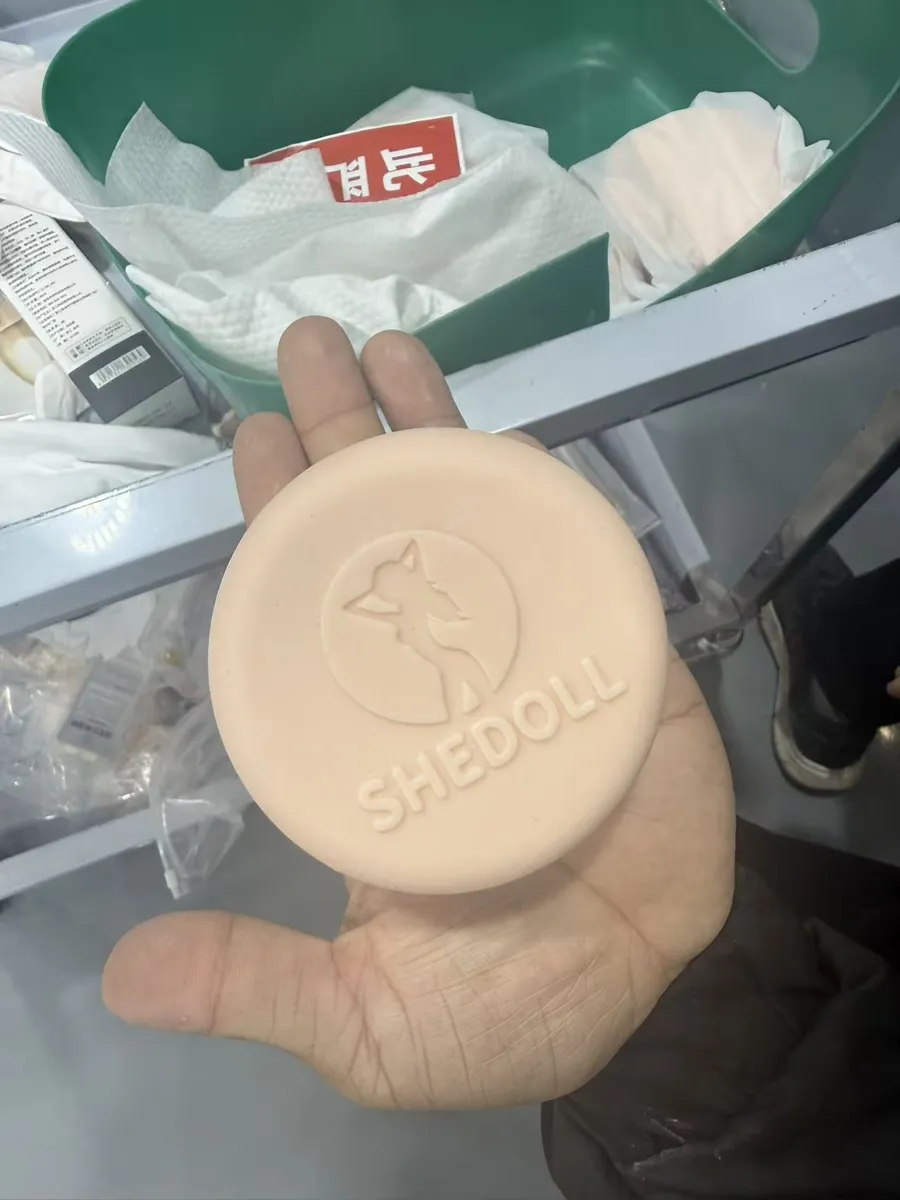
Questions to Ask About TPE Odour Before Choosing a SheDoll Configuration
Keep sensory descriptions separate from material documentation and obtain the correct care instructions for the finished item.
A manufacturer article dated September 17, 2025 discussed odour in TPE products and attributed the initial impression partly to production and sealed packaging. It offered a short cleaning and airing routine alongside strong material and timing assurances. This independent article does not adopt those assurances or reproduce the routine as universal instructions. The source text available through the public index is short and does not provide a product-specific test report.
Describe the question precisely
If odour is important to your buying decision, ask which material formula and surface finish the quotation includes. Request the manufacturer’s current information for that combination. A description such as low odour can help distinguish an option, but it does not define a measurable threshold or establish that a particular person will find the item acceptable. Avoid treating a seller’s sensory description as a guarantee for every buyer.
Do not infer material safety from smell
A weaker or stronger smell is not a substitute for relevant product documentation. Ask the supplier for readable information about the actual material and the scope of any test claims. A generic statement about ingredients or a marketing adjective does not resolve questions about the complete finished item. If the documentation is missing or unclear, keep that uncertainty visible rather than trying to settle it through a photograph or a promotional video.
Get the approved arrival procedure
Before delivery, ask what the manufacturer recommends when the package is opened and which care instructions apply to the selected finish. Identify any supplied care products and their exact intended use. Do not assemble a new routine from several unrelated online guides: a method described for one material or unfinished sample may not apply to another configuration. Ask for clarification if different supplier documents appear to conflict.
Report an unexpected condition before treating it
If the delivered item differs from what the supplier described, record the order reference, material selection and relevant observations. Follow the supplier’s reporting process before trying an unapproved cleaner, fragrance or treatment. Describe what you noticed and when, rather than diagnosing the material yourself. Keeping the original condition documented can help the supplier identify the appropriate next step under the applicable terms.
Make the purchase decision with the remaining uncertainty
A short odour guide cannot promise a universally acceptable result or a fixed resolution time. Ask what options are available if the material does not meet the agreed specification, and read the terms before ordering a customised item. SheDolls has not tested emissions or assessed an individual sensitivity. The useful outcome is clear material identification, suitable documentation and a care procedure confirmed for the actual order.